
Bringing home a dachshund puppy is exciting, chaotic, adorable, and for sure a little messy. Potty training is one of the very first lessons your puppy will learn, and the earlier you start, the smoother the process tends to go.
Dachshunds are very clever, but they can also be stubborn. A clear routine, with consistency, and positive reinforcement is the key to success.
Start Training Immediately
Potty training should begin the day your puppy comes home. The goal early on is not perfection — it’s building understanding.
Pick One Potty Spot
One of the biggest mistakes people make is giving mixed messages. Choose whether your puppy will primarily potty:
Outdoors
Or indoors on a designated potty spot
Avoid bouncing between both, especially during the learning phase. Consistency helps your puppy understand exactly what is expected. If they are sometimes rewarded for going inside and sometimes corrected for it, training becomes much more difficult.
Watch The Clock
Young puppies need frequent potty breaks. The two most likely times they will need to go are:
Immediately after waking up from any sleep period
Shortly after eating a meal
These are predictable moments when puppies almost always need to go. Use them to your advantage! Taking them out proactively helps prevent accidents and creates successful habits faster.
During the early weeks, expect to head outdoors on a regular schedule every couple hours for best results.
Celebrate Success!
When your puppy goes in the correct spot, make it a big deal! Cheer, praise, and REWARD!
The reward should happen immediately after they potty so they can connect the action with the reward. High value treats work best — that is a type/flavor they personally love. Typically soft meaty varieties become their favorites. Here are a few of our personal favorites……

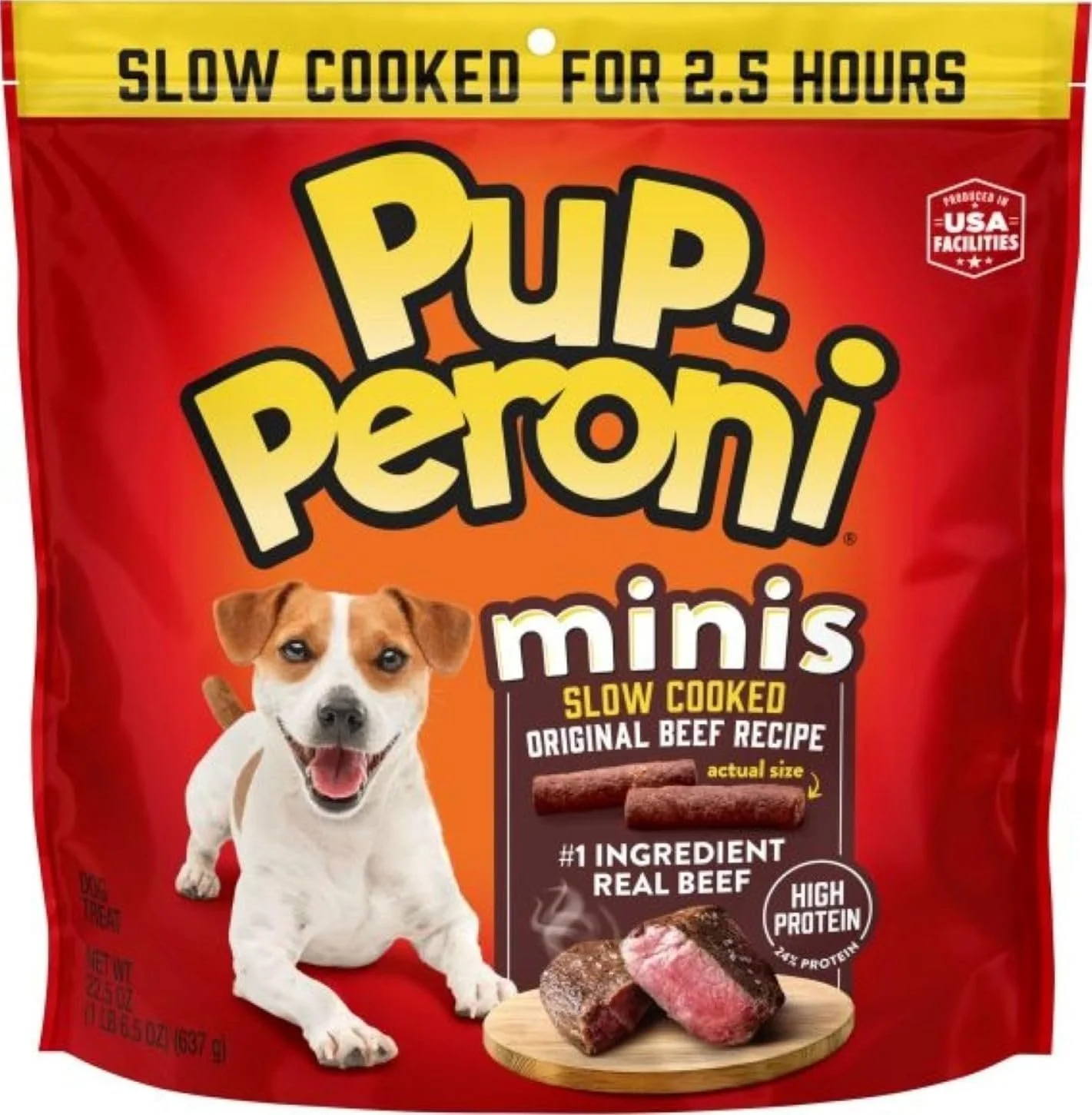

Dachshunds respond extremely well to positive reinforcement and are generally very food motivated.
Positive Reinforcement Only
Potty training should never involve spanking, fear, or harsh punishment. Correcting accidents after the fact only creates confusion and fear. Your puppy’s brain does not connect delayed punishment with the accident itself.
Instead:
Interrupt accidents calmly if you catch them happening
Redirect to the correct potty spot as quickly as you can
Reward successes heavily
Patience and consistency are far more effective than punishment. Successful potty training is mostly about routine.
Try to:
Take your puppy out at the same times each day
Use the same potty area, smells from previous success encourage ongoing success
Use the same verbal cue or add a clicker
Use a reward treat they real love
The more predictable the routine, the faster your puppy learns.
Use Crates & Pens as Training Tools
An 8 week old 3lb puppy should not have free run of the entire house right off the bat. That amount of freedom can be overwhelming and is not conducive to training. Consider limiting puppy’s access with ex-pens, baby-gates, and periodic crate time. These tools create appropriate boundaries, which are handy for keeping puppy off carpeted areas, or safe during times you are unable to supervise.
A crate can be a very effective potty training tool when used correctly, and it’s something I employ with my litters at just 4 weeks of age. Puppies naturally try not to soil the area where they sleep. A properly sized crate helps train bladder control and routine.
Crates are not punishment. They are a safe space for puppies to rest or have downtime.